Map / property geometry
Decide what must stay usable.
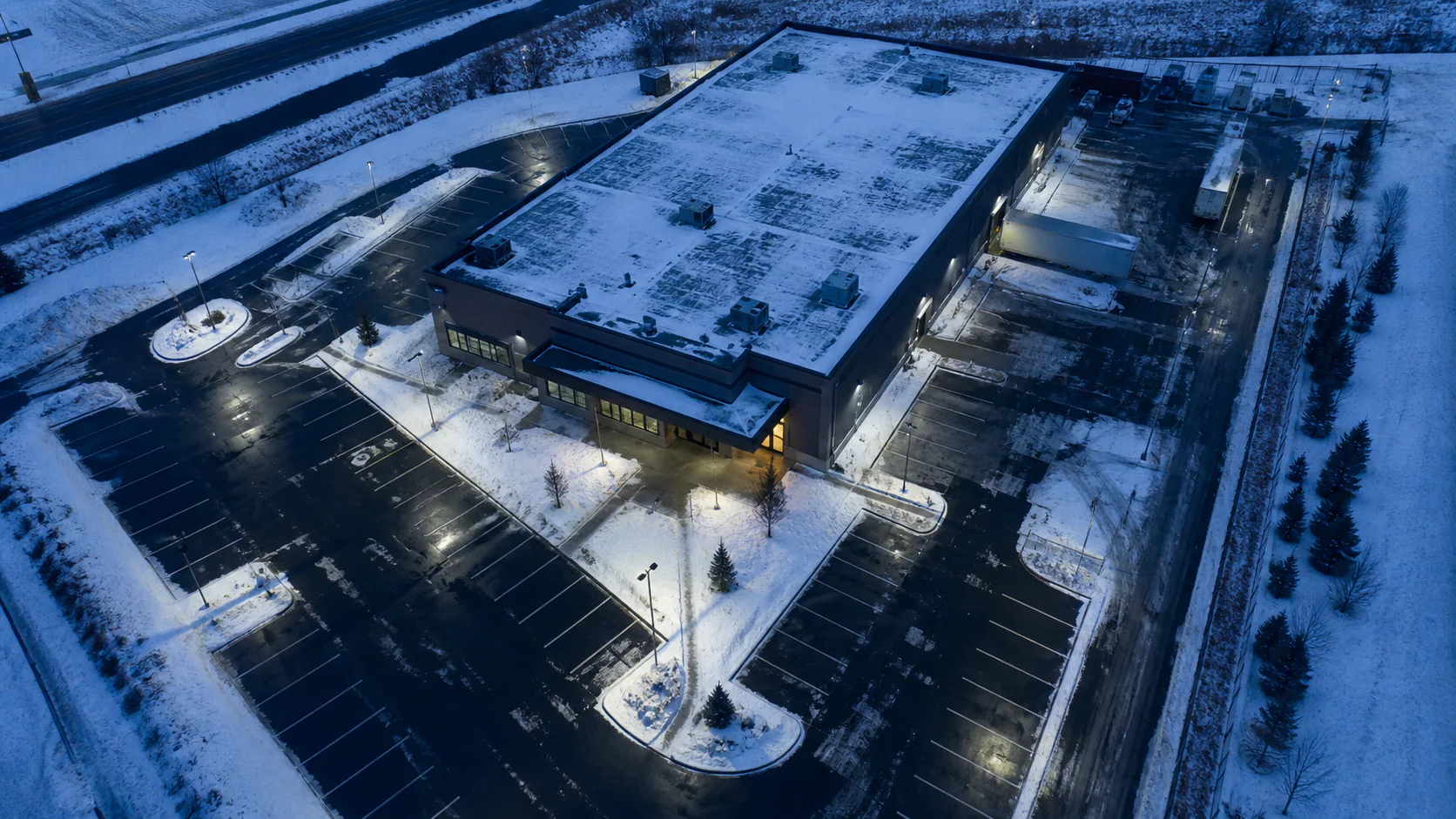
Start with a base plan. Mark public arrival, accessible routes, loading, emergency access, utilities, drainage edges and places where snow cannot be stored.
Open the priority-map guide ↗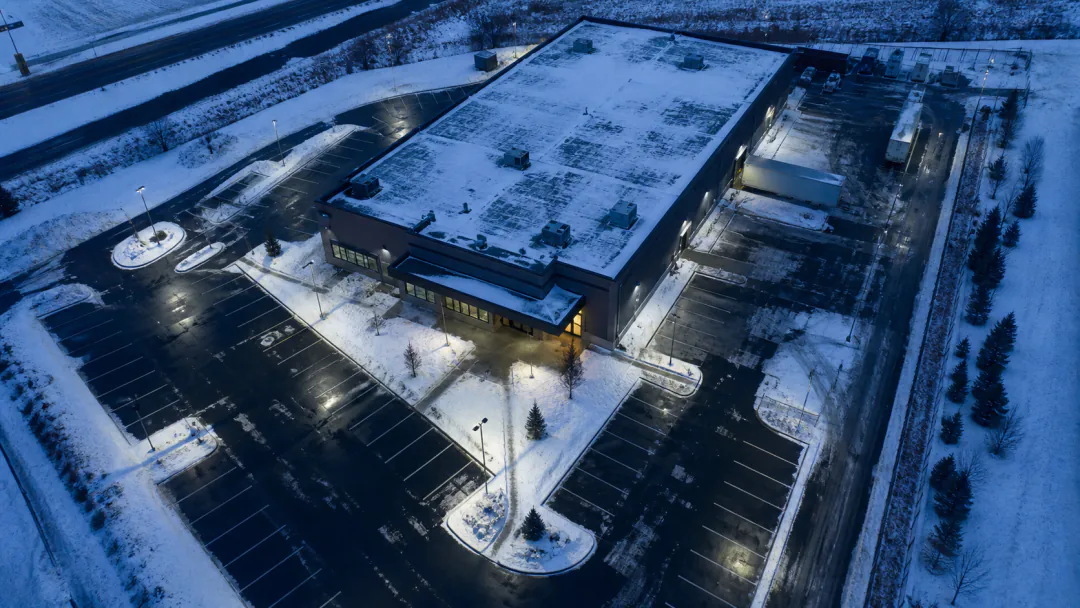

Commercial snow removal / Prince George BC
A useful estimate starts with the property, not a generic list of equipment. Map the areas that must stay usable, define how service decisions are made, and compare every proposal against the same winter operating brief.
Commercial snow removal starts with the property
A useful commercial snow estimate begins with operating priorities, property zones and clear decision responsibilities.
Entrances, sidewalks, accessible routes, loading, fire access, snow storage, drainage and refreeze zones compete for the same property. The clearer those relationships are before an event, the easier it is to compare triggers, duties, exceptions and records.
Commercial snow removal / Property protocol
Four passes turn one commercial property into a winter brief that can be compared, discussed and documented.
Mark entrances, pedestrian routes, loading, fire access, utilities, drainage and snow-storage limits.
Map / property geometry
Start with a base plan. Mark public arrival, accessible routes, loading, emergency access, utilities, drainage edges and places where snow cannot be stored.
Open the priority-map guide ↗Trigger / event definition
Clarify accumulation thresholds, ice observations, operating windows, communications and conditions that need escalation rather than assumption.
Compare contract triggers ↗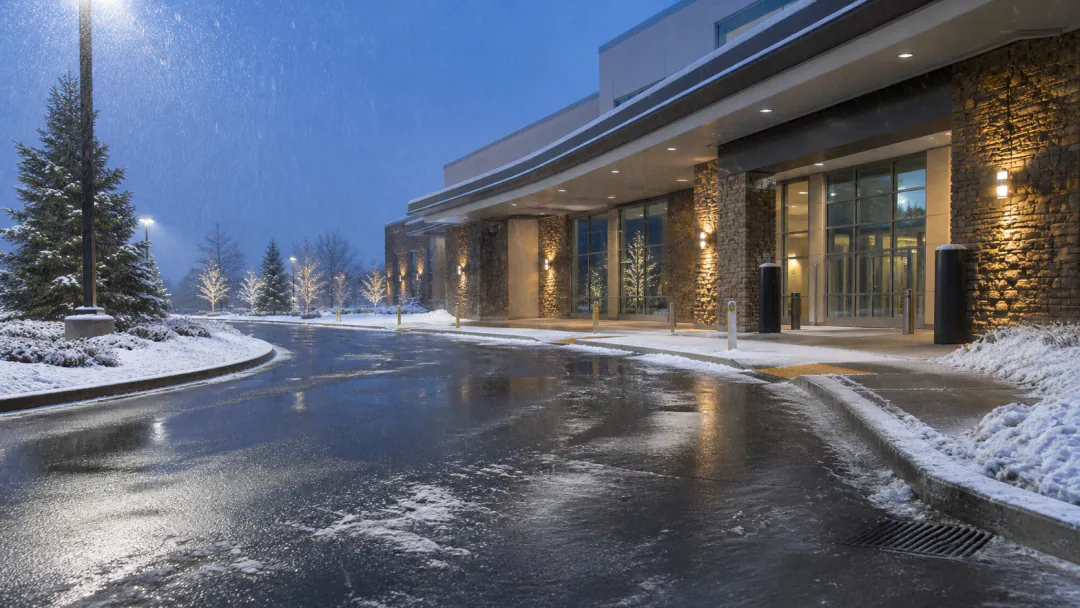
Clear / operating sequence
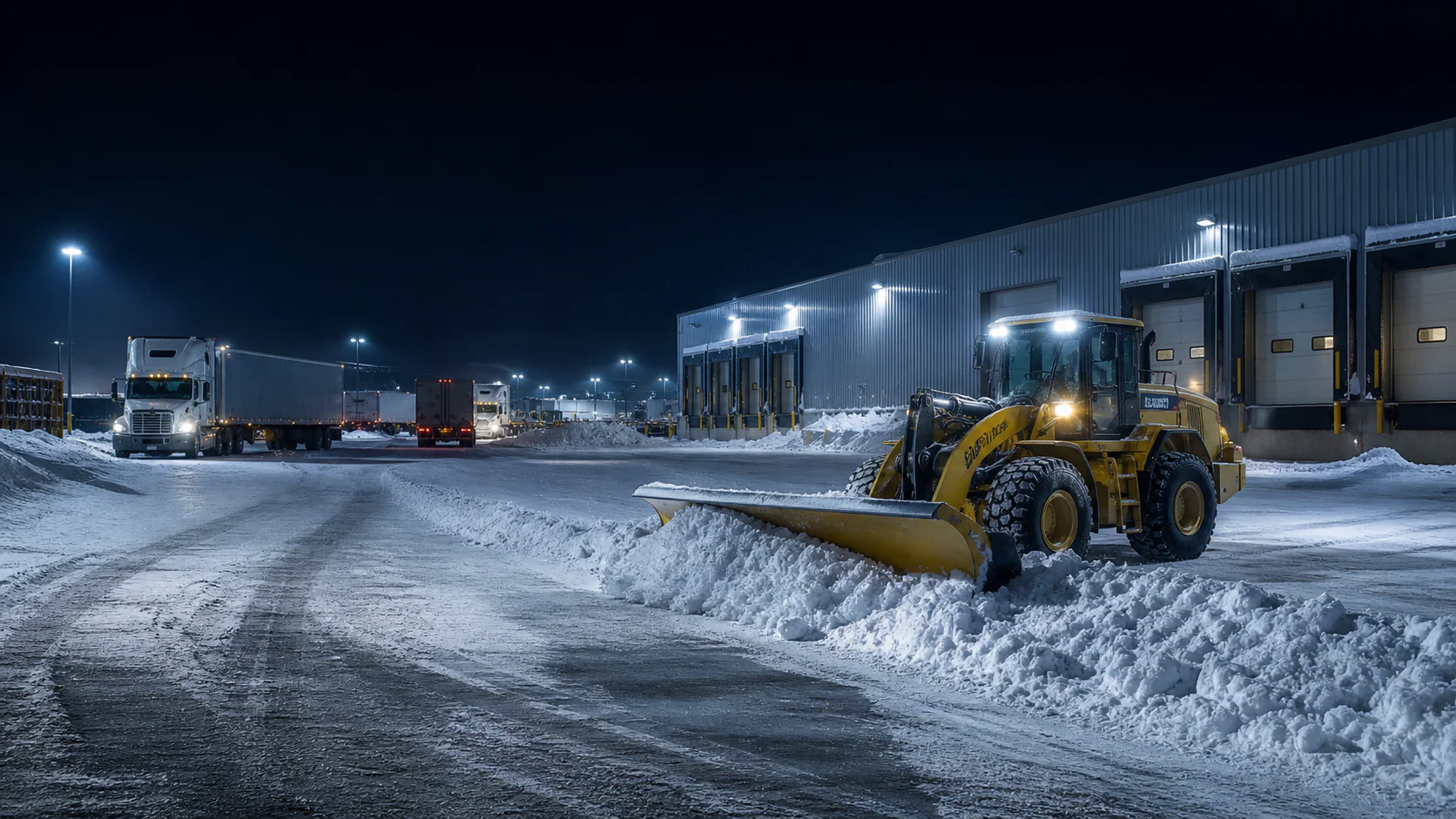
Describe priority routes, entrances, walks, loading windows, stacking constraints and the handoffs that keep an occupied property legible.
Plan stacking and hauling ↗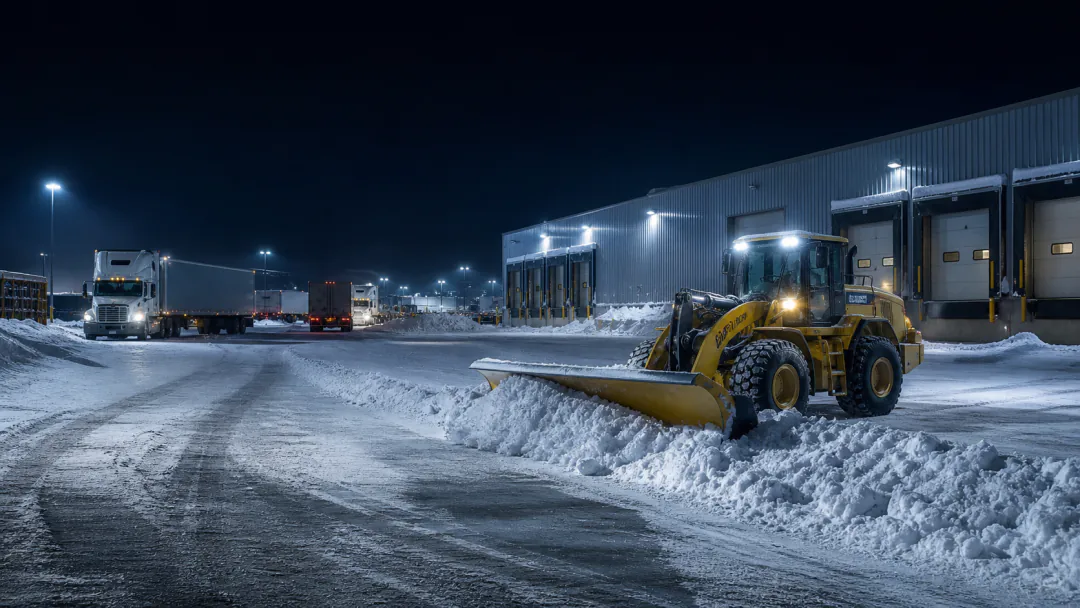
Verify / event record
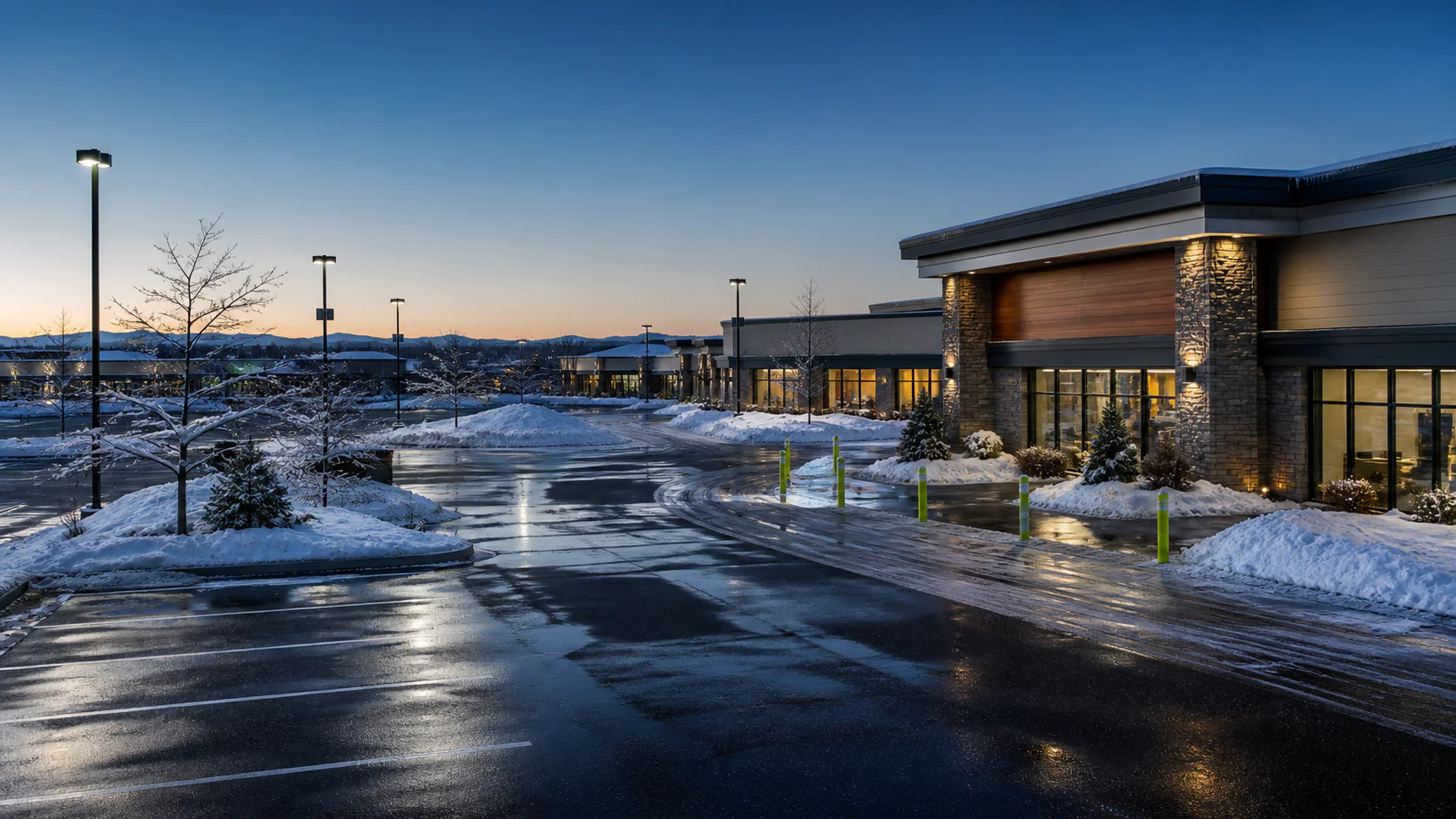
Choose the time, conditions, areas, actions, exceptions, photos and communications that belong in an event record—then set a review boundary.
Build the log specification ↗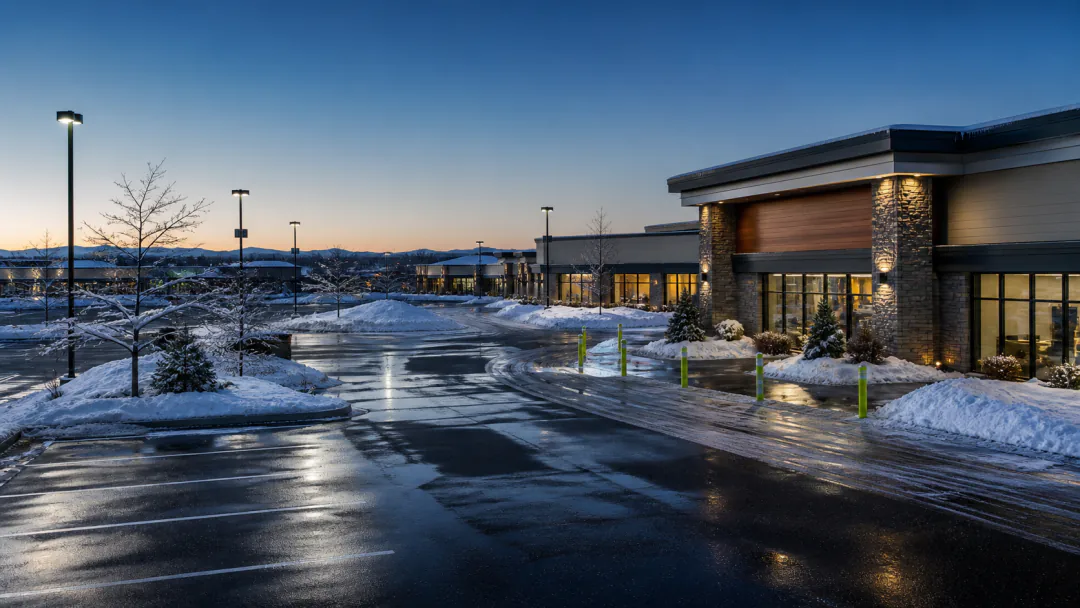
Optional property worksheet
Choose the operating context to reorganize the first questions. This worksheet is optional and never adds fields to the short form.
Site protocol 01 / Public arrival
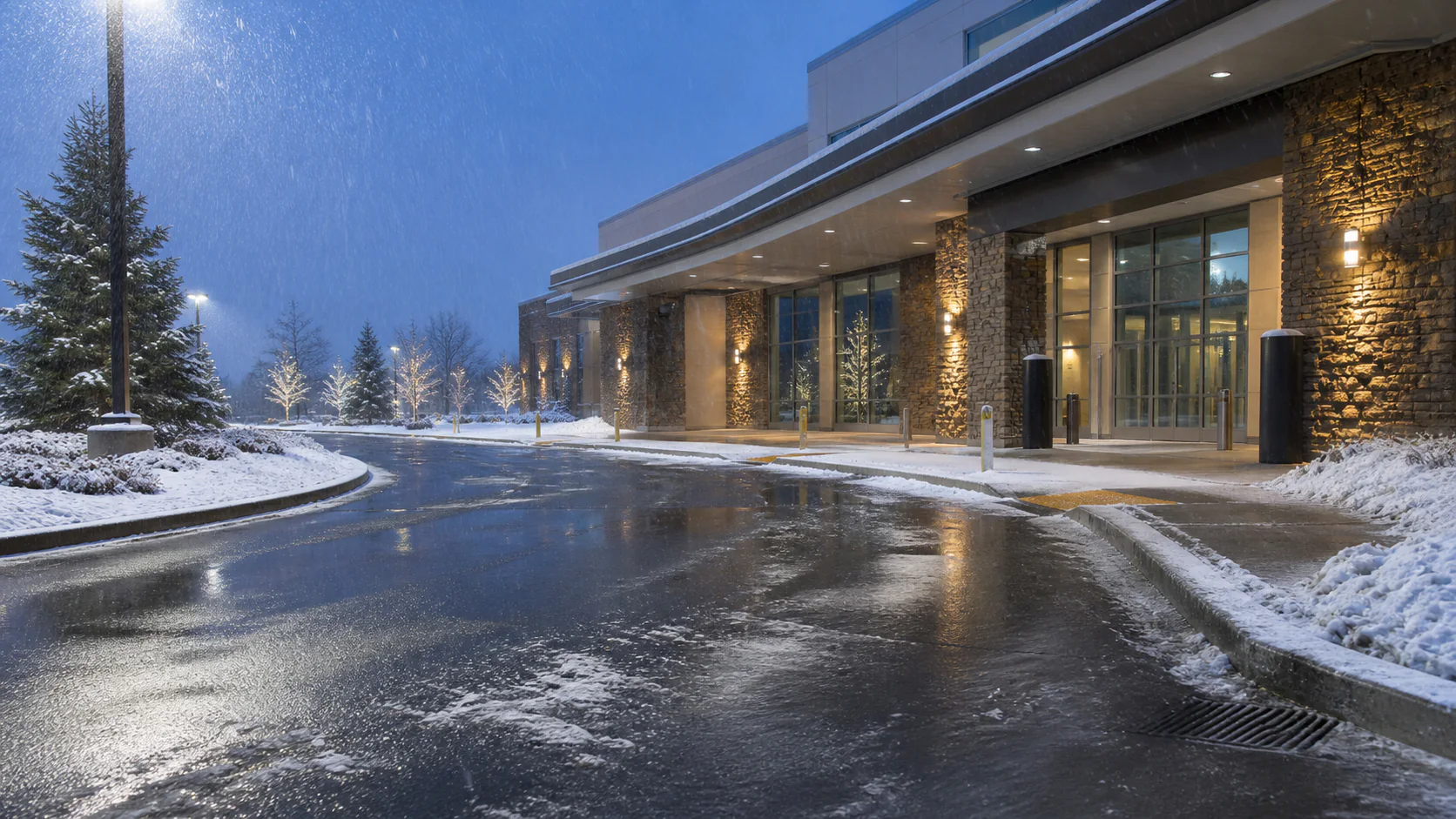
Record opening hours, primary entrances, accessible travel, cart or pedestrian crossings, sightlines and where piles would reduce usable parking.
Winter binder / Decision pages
Each guide resolves a different procurement or operating job. Together they create a more useful commercial snow brief.
Triggers, duties, methods, communications, documentation and exclusions.
Compare the scope ↗02 / Contract modelCompare assumptions, add-ons and risk allocation without inventing prices.
Compare models ↗03 / Property mapMark arrivals, accessible routes, loading, fire access, utilities and storage.
Map the property ↗04 / Ice scopeDefine inspection points, refreeze questions, records and review boundaries.
Document ice-prone areas ↗05 / CapacityProtect sightlines, drainage, utilities, parking and room for later events.
Plan storage constraints ↗06 / EvidenceSpecify the event record, exceptions, photos, communications and review needs.
Build the record ↗Interactive contract comparison
Choose a contract model to reveal the questions that belong beside it. This is a comparison framework, not a quote or recommendation.
Open the full comparison guide ↗Model 01 / Seasonal
Ask how triggers, repeat visits, exceptional accumulation, hauling, ice observations, reporting and contract dates are treated.
How it works
Decide which property facts every bidder should receive.
Mark priorities, constraints, storage, hazards and operating windows.
Write triggers, duties, communications, records and exclusions clearly.
Compare proposals against one brief and revisit it after real events.
Why this approach
Commercial properties need continuity and documented responsibilities. A clearer brief helps expose differences between proposals without promising a weather outcome or liability result.
Start with routes, hours, people, deliveries, drainage and storage—not an unverified fleet claim.
Define conditions and escalation boundaries without manufacturing emergency language.
Describe what opens first and which areas follow instead of using an undefined completion promise.
Agree on useful event information while leaving retention and legal conclusions to qualified review.
Prince George search market
Commercial-property conversations may involve Prince George retail, industrial, strata and institutional contexts. Exact coverage, availability and site suitability must be confirmed for the property and scope.
Prepare a property map ↗Parties, property areas, season dates, triggers, priority routes, methods, communications, documentation, add-ons and exclusions should be made explicit enough to compare.
Use it to identify entrances, accessible routes, loading, emergency access, utilities, drainage, sightlines, operating windows and storage constraints. It should be reviewed with qualified stakeholders.
Not necessarily. Inclusion rules, exceptional events, hauling, ice work and other add-ons depend on the written agreement. Compare assumptions rather than relying on the model name.
No. Triggers, timing, capacity and availability require an approved written agreement with a verified provider.
Depending on qualified review, useful fields may include date, observed conditions, areas addressed, actions, exceptions, photos and communications. Legal and retention requirements need separate advice.
Request a commercial snow estimate
Share the address and the winter constraints that matter. Use the short form or call the Prince George line.
Discuss the winter site brief(778) 764-1440extension 230